
Keeping an eye on your health is crucial for managing Type 2 diabetes effectively. Regular monitoring of blood sugar levels, adhering to a balanced diet, and incorporating exercise into your daily routine are key to maintaining your well-being. It’s also important to keep track of your weight and consult with your healthcare provider to adjust medications if needed. By staying proactive and informed, you can manage your condition and reduce the risk of complications, leading to a healthier, more balanced life.
Blood Sugar Monitoring
Consistent blood sugar monitoring is the cornerstone of managing Type 2 diabetes.
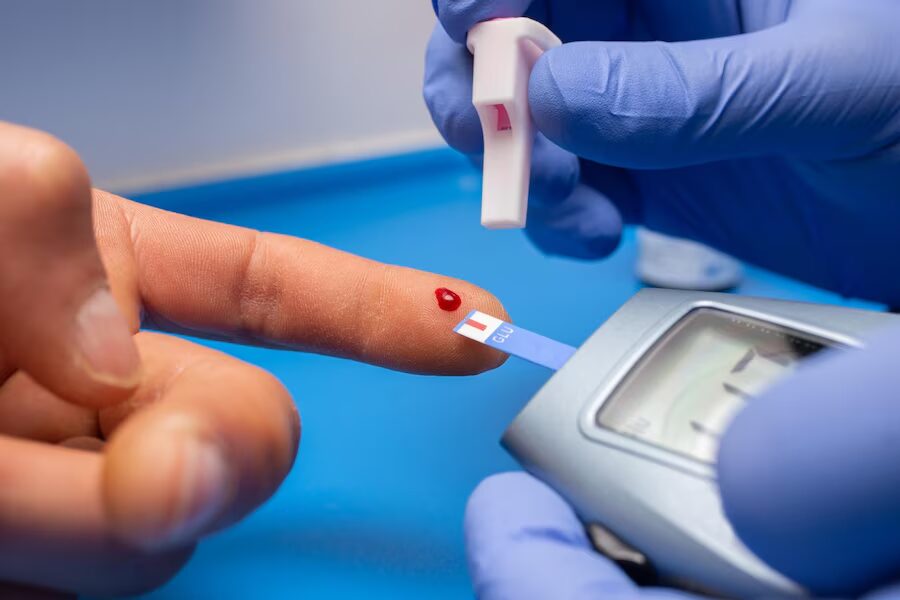
By checking your levels regularly, you can understand how your body responds to different foods, activities, and medications. This data helps in making informed decisions about your daily routine and adjusting your treatment plan as needed. Utilize tools like glucose meters or continuous glucose monitors to keep track and discuss the results with your healthcare provider to ensure optimal management.
Regular blood sugar monitoring is essential for effective Type 2 diabetes management. By consistently checking your glucose levels, you gain valuable insights into how your body reacts to different factors such as food, exercise, stress, and medication. This routine helps you identify patterns and make necessary adjustments to your lifestyle and treatment plan. Utilize tools like glucose meters or continuous glucose monitors (CGMs) to track your levels accurately. CGMs provide real-time data and trends, which can be especially useful for adjusting your diet and insulin doses. It’s also important to record your readings and share them with your healthcare provider during routine check-ups. This collaborative approach ensures that your treatment plan remains effective and tailored to your needs.
Nutritional Balance
A balanced diet is essential for controlling Type 2 diabetes. Focus on incorporating a variety of fruits, vegetables, lean proteins, and whole grains into your meals. Monitoring carbohydrate intake is particularly important, as it directly impacts blood sugar levels. Working with a registered dietitian can help you create a meal plan that supports your health goals while making mealtimes enjoyable and satisfying.
Portion control is also crucial; eating balanced meals at regular intervals helps avoid significant blood sugar spikes or dips. Working with a registered dietitian can provide personalized guidance tailored to your specific needs and preferences, ensuring that you receive the right balance of nutrients while managing your condition. Additionally, staying hydrated and minimizing processed foods, which often contain added sugars and unhealthy fats, will further support your health goals. By making mindful food choices and maintaining a balanced diet, you can better manage your diabetes and enhance your overall quality of life.
Regular Exercise
Exercise plays a significant role in managing Type 2 diabetes by improving insulin sensitivity and aiding in weight management. Aim for at least 150 minutes of moderate aerobic activity each week, such as brisk walking, cycling, or swimming. Incorporate strength training exercises twice a week to build muscle and boost metabolism. Staying active not only helps control blood sugar levels but also enhances overall well-being.
Aerobic Exercise Benefits
Engaging in at least 150 minutes of moderate aerobic activity per week, like brisk walking, cycling, or swimming, helps improve insulin sensitivity and regulate blood sugar levels. This type of exercise boosts cardiovascular health and supports overall fitness, making it an essential part of a diabetes management plan.
Strength Training Importance
Incorporating strength training exercises twice a week helps build muscle mass, which in turn boosts metabolism and supports better glucose control. Exercises such as weight lifting or resistance band workouts can enhance overall physical strength and metabolic rate.
Exercise and Weight Management
Regular physical activity plays a crucial role in weight management for individuals with Type 2 diabetes. Maintaining a healthy weight through consistent exercise helps reduce insulin resistance and manage blood sugar levels more effectively, contributing to long-term health.
Mental Health Benefits
Staying active has positive effects on mental health, reducing stress and improving mood. Regular exercise releases endorphins, which can alleviate anxiety and depression, supporting both physical and emotional well-being.
Creating an Exercise Routine
Establishing a consistent exercise routine can be key to managing Type 2 diabetes effectively. Setting realistic goals and incorporating a variety of activities can help maintain motivation and make exercise a regular part of your lifestyle.
Weight Management
Maintaining a healthy weight is crucial for managing Type 2 diabetes. Excess weight can lead to increased insulin resistance, making blood sugar control more challenging. Focus on gradual, sustainable weight loss through a combination of healthy eating and regular physical activity. Tracking your weight regularly can help you stay motivated and make necessary adjustments to your diet and exercise routine.
Maintaining a healthy weight is a critical aspect of managing Type 2 diabetes effectively. Excess body weight can contribute to insulin resistance, making it harder to control blood sugar levels. To manage your weight, start with a balanced diet that emphasizes portion control and nutrient-dense foods. Incorporate a variety of fruits, vegetables, whole grains, and lean proteins into your meals while limiting high-calorie, low-nutrient foods. Regular physical activity is also essential; aim for a mix of aerobic exercises and strength training to boost metabolism and burn calories. Set realistic weight loss goals and track your progress to stay motivated. Remember, gradual and sustainable weight loss is more effective and healthier than quick fixes.
Medication Adherence
For many people with Type 2 diabetes, medications are a key component of treatment. It’s essential to take your prescribed medications as directed by your healthcare provider. Regularly reviewing your medication regimen and discussing any concerns or side effects with your doctor can help ensure that your treatment remains effective. Adherence to your medication plan supports better blood sugar control and overall health.
Regular Check-ups
Routine check-ups with your healthcare provider are vital for comprehensive diabetes management. These visits allow for monitoring of your overall health, including blood pressure, cholesterol levels, and kidney function. Regular screenings help detect any potential complications early and adjust your treatment plan as needed. Staying engaged with your healthcare team ensures that all aspects of your diabetes management are addressed.
Conclusion
Maintaining a proactive approach to monitoring your health is crucial in managing Type 2 diabetes effectively. Regular check-ups, continuous blood glucose monitoring, and lifestyle adjustments play a significant role in achieving and sustaining optimal wellness. By staying informed and vigilant, you can make necessary changes to your treatment plan and lifestyle, improving your overall quality of life.
For those seeking personalized guidance and support in San Marcos, CA, Dr. Shumard is here to help. Our team is dedicated to assisting you in navigating your health journey and providing the expertise you need for successful diabetes management.