
Type 2 Diabetes: Natural Treatments for Better Health
Managing Type 2 diabetes naturally can be empowering and effective. Focus on incorporating a balanced diet rich in whole grains, lean proteins, and plenty of fruits and vegetables. Regular physical activity, like walking or yoga, helps regulate blood sugar levels and supports overall well-being. Don’t underestimate the power of stress management techniques, such as mindfulness and meditation, which can also positively impact blood sugar control. Additionally, consider incorporating natural supplements like cinnamon and fenugreek, known for their potential benefits in glucose regulation. With these steps, you can take charge of your health and enhance your quality of life.
Embracing Whole Grains for Steady Glucose Levels
Whole grains like oats, quinoa, and brown rice are beneficial for managing Type 2 diabetes due to their high fiber content. Fiber helps slow down the digestion and absorption of carbohydrates, which can prevent sharp spikes in blood sugar levels. By incorporating these grains into your meals, you provide your body with a steady release of glucose, supporting more stable energy levels and improved glycemic control. Regularly including whole grains in your diet can make a significant difference in your diabetes management plan.
For practical implementation, consider starting your day with a bowl of oatmeal topped with fresh fruit and nuts, or use quinoa as a base for salads and side dishes. By making whole grains a regular part of your diet, you support better glycemic control and contribute to a more balanced and nutritious eating plan, ultimately helping to manage your diabetes more effectively.
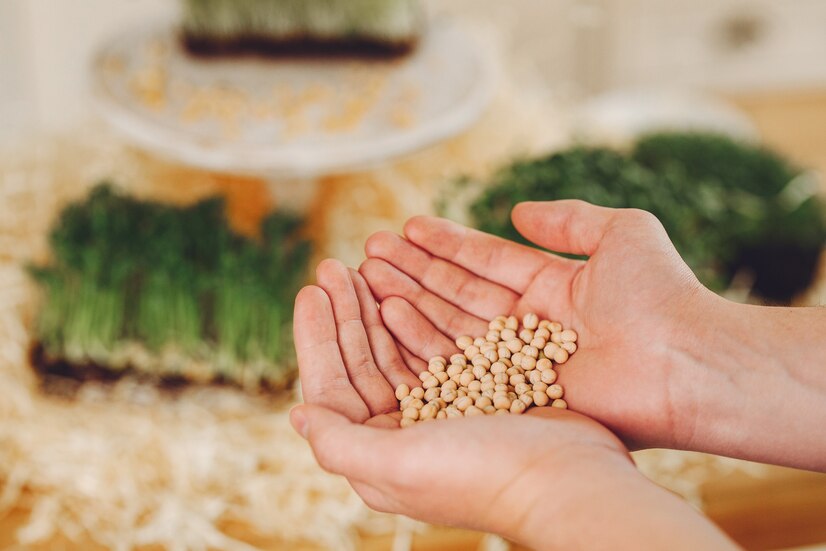
The Role of Lean Proteins in Diabetes Management
Lean proteins, such as chicken breast, fish, and tofu, play a crucial role in stabilizing blood sugar levels. Unlike carbohydrates, proteins have a minimal impact on blood glucose, helping to balance your meals and prevent spikes in sugar levels. Additionally, proteins contribute to muscle repair and growth, which is important for overall health. By incorporating lean proteins into your diet, you can enhance satiety and support your diabetes management while maintaining a balanced, nutritious diet.
The Blood Sugar Benefits of Lean Proteins
Lean proteins, such as chicken breast, fish, and tofu, have minimal impact on blood glucose levels compared to carbohydrates. This characteristic makes them ideal for balancing meals and preventing blood sugar spikes. By including these proteins in your diet, you can help stabilize blood sugar levels and support effective diabetes management while maintaining a balanced nutritional intake.
Muscle Repair and Growth
Proteins are essential for muscle repair and growth, which is vital for overall health and metabolic function. Lean proteins like fish and tofu provide the building blocks needed to maintain and develop muscle mass, which can enhance insulin sensitivity and support better blood glucose control. This makes protein-rich foods an important component of a well-rounded diabetes management plan.
Enhancing Satiety with Protein
Including lean proteins in your meals can enhance feelings of fullness and reduce hunger. This can help prevent overeating and assist with weight management, which is crucial for individuals with Type 2 diabetes. Proteins take longer to digest, providing sustained energy and helping to maintain stable blood sugar levels throughout the day.
Balancing Meals with Lean Proteins
Incorporating lean proteins into your diet helps to balance your meals by providing a steady source of energy without causing rapid increases in blood glucose levels. Proteins complement carbohydrates and fats, ensuring that your meals are more balanced and nutritious. This approach supports better glycemic control and contributes to overall health and well-being.
Practical Tips for Adding Protein
To maximize the benefits of lean proteins, consider adding them to various meals throughout the day. Include grilled chicken in salads, fish in stir-fries, and tofu in soups. These versatile proteins can be easily incorporated into a variety of dishes, making it simpler to maintain a balanced diet and support effective diabetes management.
Physical Activity’s Impact on Insulin Sensitivity
Engaging in regular physical activity can significantly improve insulin sensitivity, a key factor in managing Type 2 diabetes. Activities like brisk walking, cycling, or resistance training help your muscles use glucose more effectively and lower overall blood sugar levels. Even moderate exercise, performed consistently, enhances your body’s ability to regulate glucose. By making exercise a regular part of your routine, you not only support better blood sugar control but also boost your overall health and well-being.
To make physical activity a sustainable part of your routine, find activities you enjoy and set realistic goals. Whether it’s a daily walk, a cycling class, or a home workout routine, the key is to stay consistent. Combining exercise with other healthy lifestyle choices, such as a balanced diet and adequate sleep, will further enhance your insulin sensitivity and support effective diabetes management.
Stress Reduction Strategies for Blood Sugar Control
Managing stress is an often-overlooked aspect of diabetes care. Chronic stress can lead to increased blood sugar levels due to the release of stress hormones. Techniques such as mindfulness, deep breathing exercises, and meditation can help reduce stress and its negative impact on blood glucose. By incorporating these practices into your daily routine, you can improve your emotional well-being and support better blood sugar management, contributing to a more balanced and effective approach to diabetes care.
Natural Supplements to Consider for Glucose Regulation
Certain natural supplements, like cinnamon and fenugreek, may offer benefits for glucose regulation. Cinnamon has been shown to improve insulin sensitivity and lower fasting blood sugar levels, while fenugreek seeds can help control blood glucose and enhance insulin function. Adding these supplements to your diet could support your diabetes management efforts. However, it’s important to discuss any new supplements with your healthcare provider to ensure they complement your overall treatment plan and don’t interfere with other medications.
Hydration’s Role in Optimal Diabetes Management
Staying well-hydrated is essential for managing Type 2 diabetes effectively. Proper hydration helps your kidneys flush out excess glucose through urine and supports overall metabolic function. Water is the best choice for hydration, as sugary drinks can lead to spikes in blood sugar levels. Maintaining good hydration not only aids in glucose control but also supports healthy skin and energy levels, which are important for managing diabetes and maintaining an active, healthy lifestyle.
Conclusion
Managing Type 2 diabetes with natural treatments can offer significant benefits for overall health and well-being. Incorporating lifestyle changes such as a balanced diet, regular physical activity, and stress management can help maintain stable blood sugar levels and reduce the need for medication. Always consult with your healthcare provider before starting any new treatment regimen to ensure it complements your individual health needs.
For more information on natural treatments and personalized guidance, feel free to reach out to us at Dr. Shumard. Our team is dedicated to helping you achieve a healthier, more balanced life.