
Managing Type 2 diabetes often involves a combination of medication, lifestyle changes, and a balanced diet. While conventional treatments are essential, incorporating natural treatments can further support blood sugar control and overall well-being. Here’s how you can enhance your Type 2 diabetes management with natural remedies:
Embrace a Low-Carb Diet
Reducing carbohydrate intake can help stabilize blood sugar levels. Focus on consuming low-glycemic foods, such as leafy greens, nuts, seeds, and whole grains. These foods have a slower impact on blood sugar, helping to prevent spikes and crashes.
Choosing Low-Glycemic Foods
Opt for foods with a low glycemic index (GI), which have a slower impact on blood sugar levels. Examples include non-starchy vegetables like leafy greens, cruciferous vegetables (broccoli, cauliflower), and legumes (beans, lentils). Low-GI foods help maintain steady blood sugar levels and can be more filling, reducing overall calorie intake.
Incorporating Protein and Healthy Fats
Balancing your low-carb diet with adequate protein and healthy fats can help you feel full and satisfied, making it easier to stick with your dietary changes. Include lean proteins such as chicken, fish, and tofu, as well as healthy fats like avocados, nuts, and olive oil. These components can support muscle health, energy levels, and overall well-being.
Monitoring Portion Sizes
Even when focusing on low-carb foods, portion control is essential. Overeating, even healthy foods, can still lead to weight gain and blood sugar imbalances. Use tools like food scales or measuring cups to keep track of portion sizes and ensure you’re not consuming more carbs than intended.
Planning Balanced Meals
Meal planning is key to maintaining a low-carb diet. Aim to create balanced meals that include a variety of low-carb vegetables, protein sources, and healthy fats. For example, a meal might consist of a grilled chicken breast, a side of sautéed spinach, and a small serving of quinoa. Planning ahead can help you avoid high-carb temptations and ensure you have nutritious options available.
Exploring Low-Carb Substitutes
There are many low-carb alternatives to traditional high-carb foods. For instance, consider using cauliflower rice or zucchini noodles instead of white rice or pasta. Almond flour and coconut flour can replace regular flour in baking recipes. These substitutes can help you enjoy familiar dishes while adhering to your low-carb goals.
Incorporate Fiber-Rich Foods
Fiber slows the absorption of sugar and helps maintain steady blood sugar levels. Include a variety of high-fiber foods in your diet, such as beans, lentils, and fruits like apples and berries. These can aid in digestion and improve glycemic control.
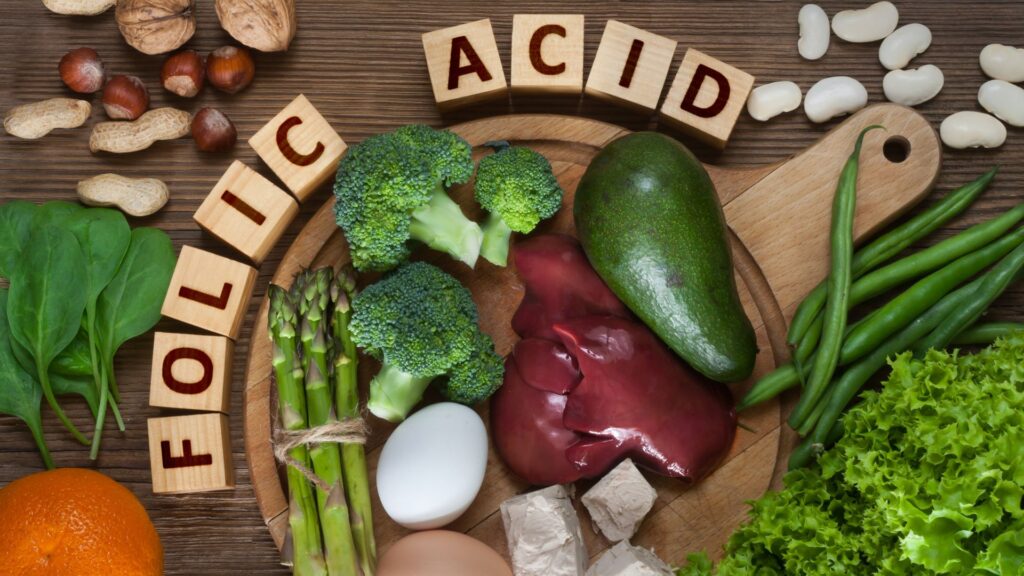
Incorporating fiber-rich foods into your diet is a powerful strategy for managing Type 2 diabetes. By choosing a variety of high-fiber fruits, vegetables, whole grains, and legumes, you can help stabilize blood sugar levels, improve digestion, and support overall health. Gradually increasing your fiber intake and staying hydrated will further enhance these benefits. For personalized dietary advice and support, reach out to a healthcare provider or dietitian.
Stay Hydrated
Proper hydration is crucial for maintaining healthy blood sugar levels. Water is the best choice, but herbal teas like chamomile or ginger tea can also be beneficial. Staying hydrated helps your body function efficiently and can aid in regulating blood sugar levels.
Staying well-hydrated is a fundamental aspect of managing Type 2 diabetes and maintaining overall health. By prioritizing water intake and incorporating hydrating foods into your diet, you can support your body’s functions, enhance blood sugar control, and improve your overall quality of life. Remember, hydration is a simple yet powerful tool in your diabetes management toolkit.
Exercise Regularly
Regular physical activity is one of the most effective ways to manage Type 2 diabetes. Aim for at least 150 minutes of moderate aerobic exercise per week, such as brisk walking, swimming, or cycling. Incorporating strength training exercises can also help improve insulin sensitivity.
Consider Herbal Supplements
Certain herbs have shown promise in supporting blood sugar control. Cinnamon, for instance, may improve insulin sensitivity and lower blood sugar levels. Berberine, another supplement, has been linked to improved glucose metabolism. Always consult with a healthcare provider before starting any new supplement.
Prioritize Sleep
Adequate sleep is vital for maintaining balanced blood sugar levels. Aim for 7-9 hours of quality sleep each night. Poor sleep can lead to insulin resistance and higher blood sugar levels. Establish a regular sleep routine and create a restful environment to enhance your sleep quality.
Manage Stress
Chronic stress can negatively impact blood sugar control. Practice stress-reducing techniques such as mindfulness, meditation, or yoga. Engaging in activities that you enjoy and that help you relax can also contribute to better diabetes management.
Monitor Your Blood Sugar
Regularly monitoring your blood sugar levels helps you understand how different foods, activities, and lifestyle choices affect your diabetes. Use a glucose meter or continuous glucose monitor to keep track of your readings and adjust your management plan as needed.
Conclusion
Incorporating natural treatments into your Type 2 diabetes management can significantly enhance your control and overall well-being. From adopting a balanced diet rich in whole foods to incorporating regular physical activity and stress reduction techniques, these natural methods work in harmony to stabilize blood sugar levels and support long-term health. Consulting with healthcare professionals to tailor these strategies to your individual needs ensures you receive the most effective care.
For those in the San Marcos, CA area seeking personalized guidance, Dr. Shumard offers expert support in integrating these natural treatments into your diabetes management plan. Embrace a holistic approach to improving your health today.